post / 09 March 2026
Dialogue Over Force: How IFIT Is Building Peace in Plateau State’s Rural Communities
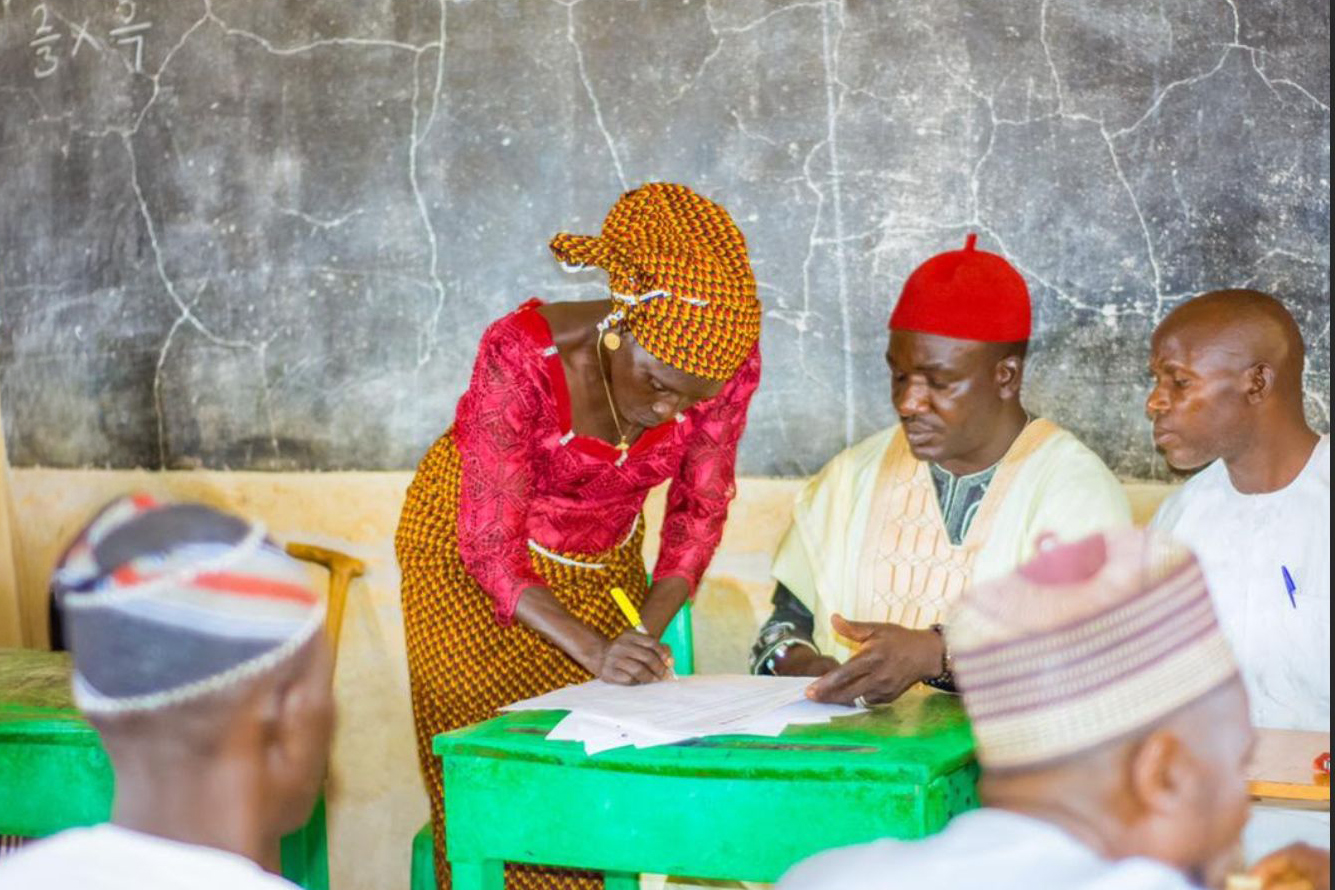
IFIT’s project, Building Social Cohesion in Rural Communities in Plateau State, funded by Deutsche Gesellschaft für Internationale Zusammenarbeit (GIZ) GmbH, is focused on reducing farmer-herder conflict in rural communities by strengthening local capacities for dialogue and negotiation.
The project operates in areas marked by deep-rooted tensions over resources, land use, and access — disputes that have repeatedly escalated into violence. IFIT’s approach centres on early engagement and the inclusion of women, youth, and historically marginalised groups as active participants in peacebuilding, rather than as passive beneficiaries.
A core activity under the project is the Akwanga Engagement: a six-day residential capacity workshop that brings together community representatives to develop practical skills in negotiation, mediation, and collaborative problem-solving. To date, over 120 participants have completed the training.
All told, the project has supported the co-facilitation of 25 community agreements across six rural areas of Plateau State, addressing flashpoints around crop destruction, contested grazing routes, compensation disputes, harassment, kidnappings, and substance abuse. The agreements arose through the active involvement of women, youth, and other marginalised community members, reflecting IFIT’s methodology of locally driven, community-owned solutions.
Field observations during implementation suggest a decline in violent incidents in parts of Bokkos and Riyom Local Government Areas since October, though it is too early to draw definitive conclusions. At a stakeholder engagement held in Jos, IFIT Nigeria Country Manager Thomas Junior Bimba and IFIT Senior Adviser Seth Kaplan underscored the strategic importance of Plateau State, noting that unresolved conflict there carries significant spillover risks for Kaduna and the broader Middle Belt region.
Local media coverage: Vanguard.
You may also be interested in
-
![]()
post / 22 July 2022
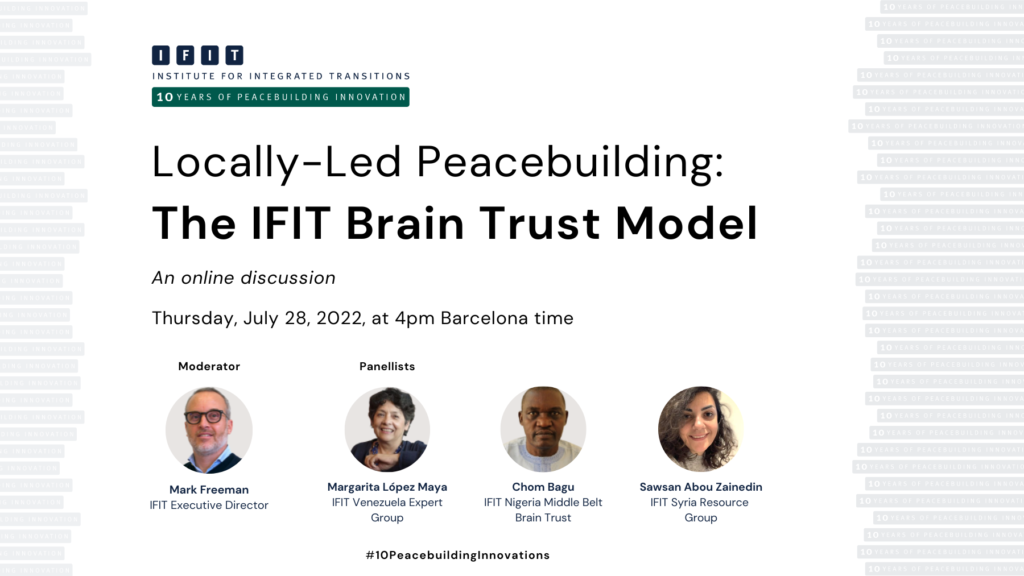
PAST EVENT: Locally-Led Peacebuilding – The IFIT Brain Trust Model
-
![]()
post / 21 June 2022
IFIT marks 10-year anniversary, launches new event series
-
![]()
post / 12 May 2022
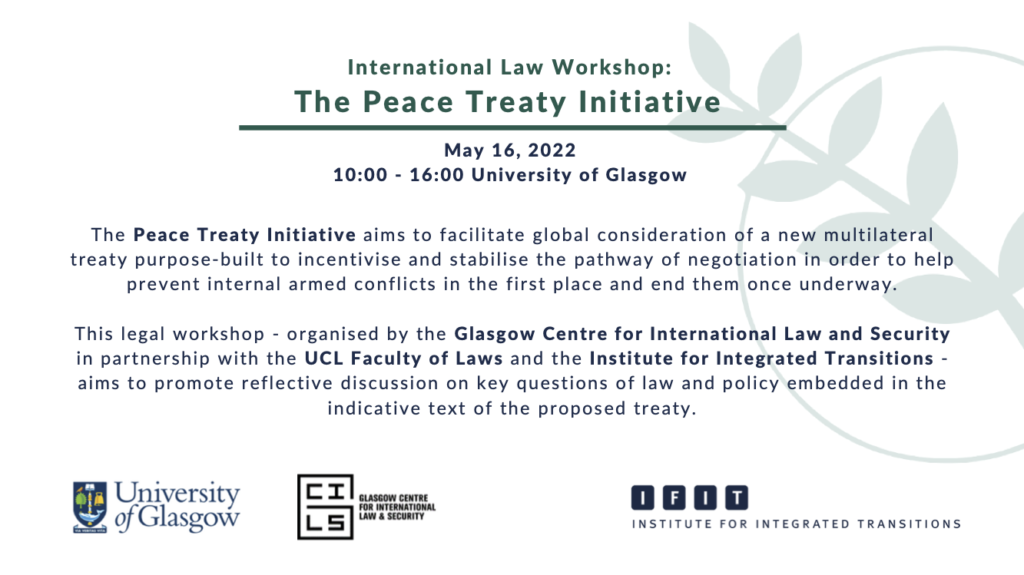
PAST EVENT: Peace Treaty Initiative International Law Workshop
-
![]()
post / 17 September 2021
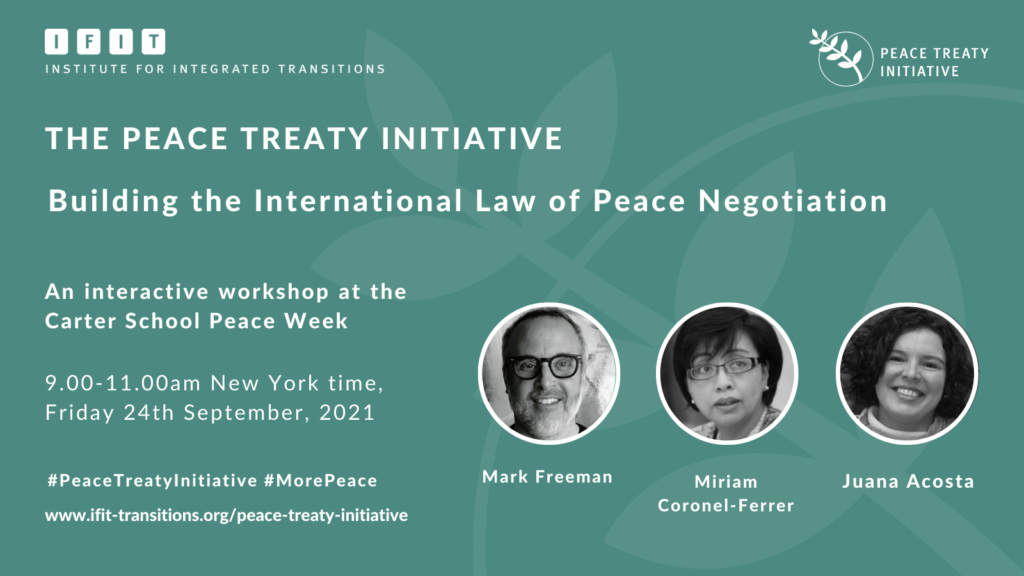
PAST EVENT: Building the International Law of Peace Negotiation – IFIT event at the Carter School Peace Week
-
![]()
post / 30 April 2021
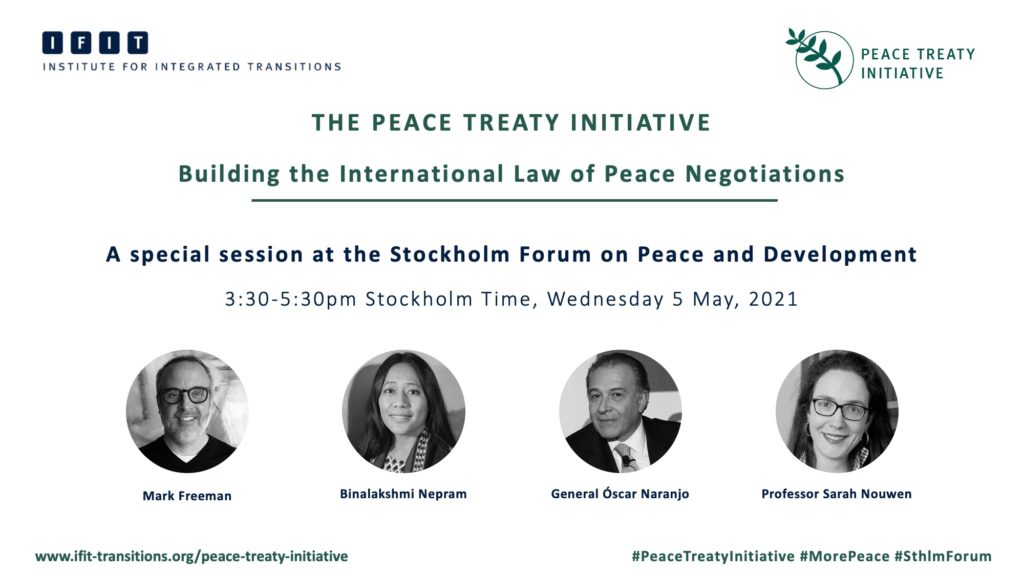
PAST EVENT: Building the International Law of Peace Negotiation – IFIT event at the Stockholm Forum on Peace and Development